
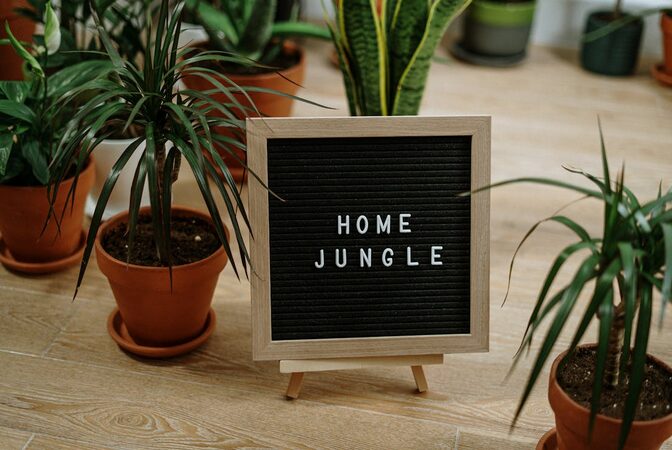
Biophilic decor is a fancy name for something simple. Bring more nature into your home, and your body relaxes a bit. You feel it in your shoulders. You notice it when you walk in after a long day, and the space feels softer, not stiff. This style isn’t about turning your living room into a rainforest. It’s about small choices that make your home feel like a deep breath. Let’s talk ideas you can actually do, without a design degree and without a massive budget.
Go Big With One Statement Plant
A tall plant instantly changes the “energy” of a room. It adds height, shape, and a calm green presence that reads cozy instead of cluttered. Try a fiddle-leaf fig, rubber plant, or bird of paradise if you have bright light. If you don’t, a hearty snake plant still shows up strong. Place it like furniture, not like an afterthought. Corners near windows are great. Next to a sofa also works, like a quiet roommate that doesn’t steal your snacks. Use a simple pot, then add a stand if you want it to feel more elevated. Watering becomes a tiny ritual, which is honestly good for the brain.
Use Natural Materials You Can Touch
Biophilic decor gets real when your hands feel it. Swap one plastic-heavy item for wood, stone, linen, cotton, rattan, or clay. A wood tray, a linen throw, or a woven basket can shift the vibe fast. These textures make a room feel grounded, like it has roots. Pick one or two materials and repeat them. Too many textures at once can look busy, like a closet exploded. Try a jute rug with a wood coffee table. Add a ceramic vase that looks slightly imperfect, because that’s the charm. Your space starts to feel collected, not staged.
Let Natural Light Do More of the Work
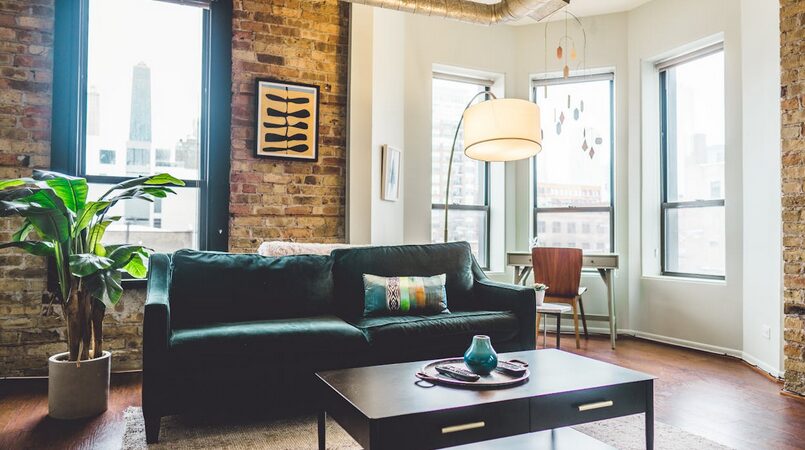
Light is the free upgrade people forget. Pull furniture slightly away from windows so daylight can spread. Use sheer curtains instead of heavy ones where privacy allows. Even one mirror placed opposite a window can bounce light deeper into the room. At night, keep the mood gentle. Use warm bulbs and avoid bright overhead lighting for every moment. A floor lamp plus a small table lamp feels like candlelight’s practical cousin. Your eyes rest. Your brain stops buzzing. The room feels kinder.
Bring in Nature Colors, Then Add Contrast
Nature colors are not just “green everywhere.” Think warm sand, clay, soft white, muted olive, and deep brown. These shades make walls and textiles feel calm. If you want an easy start, switch pillow covers or a throw blanket first. Contrast is your secret sauce. Add black accents, dark wood, or deep charcoal to keep the palette from feeling flat. A framed botanical print can help, too. Keep art simple and give it space to breathe. Your room starts looking intentional, like you meant it.
Add Small Sensory Touches That Feel Outdoorsy
Biophilic style is also about how a home feels, not just how it looks. A tabletop fountain can add a gentle water sound, if you like that vibe. If water isn’t your thing, try a textured candle holder and a soft scent like cedar, eucalyptus, or citrus. Scent is a shortcut to comfort. Sound and air matter, too. Open windows when the weather allows and let fresh air cycle through. Add a small fan if the air feels stale. Put a plant near your desk so your eyes get a break during work. These tiny moves stack up. Your home starts feeling like a reset button.




 When searching for a locksmith, the first step is to confirm that they are licensed and certified. This essentially means they have undergone proper training and adhere to industry standards. A valid license indicates that the locksmith has met state requirements. It reflects their commitment to professionalism. In Texas, being licensed also serves as a safeguard against unqualified individuals who could compromise your security. Certification from reputable organizations adds another layer of trust.
 When searching for a locksmith, reach out via phone first. Then, ask about specialized services. Different situations may require unique skills or tools. For instance, if you need help with electronic locks, finding someone experienced in that area is crucial. Some locksmiths offer advanced security solutions like master key systems or high-security lock installation. If your needs extend beyond basic lockouts, ensure the professional can cater to those requirements.
 The Snake Plant, or Sansevieria, is a perfect choice for any indoor garden. Its striking sword-like leaves add an architectural element to your space. Available in various shades of green and even variegated patterns, it blends effortlessly with any decor style. One of the best things about this plant is its resilience. It’s known to thrive on neglect and can survive in low light conditions—perfect for beginners or those with busy lifestyles. But there’s more than just looks!
 Its arching green leaves, often adorned with white stripes, create a soft and inviting atmosphere. These plants are known for their ability to purify the air. They effectively remove pollutants like formaldehyde and xylene, making your living space healthier. Spider plants thrive in various lighting conditions, from bright indirect light to partial shade. This adaptability makes them perfect for beginners or anyone looking to enhance their indoor garden effortlessly.
 The Peace Lily is definitely a stunning addition to any home. Its glossy, greyish-green leaves create a striking contrast with its elegant white blooms. This plant not only looks stunning but also offers numerous benefits. Peace Lilies are known for their air-purifying qualities. They can filter out toxins like formaldehyde and ammonia from the air, making your living space healthier. Caring for this plant is straightforward, too.








 Your home is one of the most significant investments you’ll make in your lifetime. Protecting and preserving its value should be a top priority. A well-maintained roof not only ensures the safety and comfort of your family but also adds value to your property. Potential buyers are more likely interested in a home with a properly maintained and visually appealing roof. Regular roof maintenance enhances curb appeal, boosts your home’s resale value, and instills confidence in potential buyers.

 Carbon monoxide is another hazardous gas that can be found in your home. It’s odorless and colorless, so it’s often called the “silent killer.” Carbon monoxide is produced by burning fuels like wood, oil, natural gas, and gasoline. Exposure to high levels of CO can cause headaches, nausea, dizziness, and even death. The best way to detect CO is to install a carbon monoxide detector near sleeping areas in your home.
 Finally, formaldehyde is a toxic gas in many household products, such as paints, glue, adhesives, and cleaning supplies. Exposure to high levels of formaldehyde can cause eye irritation, coughing, headaches, nausea, and even cancer. To detect formaldehyde levels in your home, a professional can conduct an indoor air quality test.
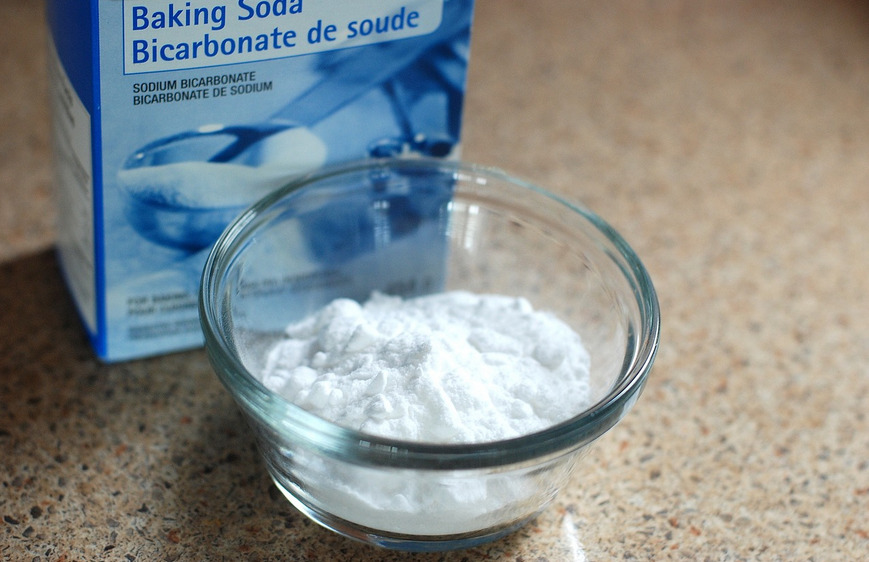
 Enzyme cleaners are another option for unclogging a toilet without a plunger. These cleaners contain natural enzymes that break down waste and help to unclog your pipes. Pour the recommended amount of cleaner into the toilet bowl and let it sit for several hours or overnight. Flush the toilet in the morning to clear away the clog.

 When you are looking for the best cleaning service, make sure to compare the prices of various services before making a decision. Look at their packages and decide which suits your needs and budget.
 Before you hire a cleaning service, ask them if they provide a free consultation. It’s a great way to get an idea of their services and discuss any special requirements you may have.

 Maintenance is another crucial factor to consider when selecting pebbles for your garden. Some stones may require more regular cleaning and upkeep than others, so consider this before purchasing. For instance, marble pebbles may require more frequent cleaning and seal due to their porous nature. Also, if you have pets or children, opt for non-toxic and safe pebbles. Choosing the perfect pebbles for your garden doesn’t have to be a difficult task.